

Ordering pants in several sizes? Ask your manufacturer how the fabric pieces, waistbands and labels stay matched between production stages. A size label and a finished garment need to correspond; an impressive sewing line does not, by itself, explain how that correspondence is maintained.
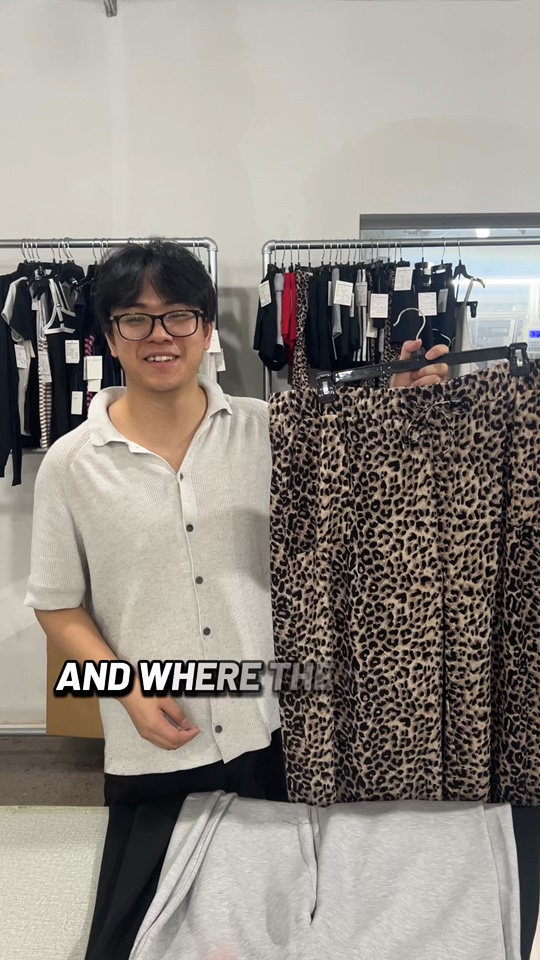
In the factory explainer below, I show the work area and garment details behind this question. The useful discussion is not just which machines a supplier owns, but what is prepared together, how it moves through sewing, and where it is checked again.
Prepare matching components before sewing
At HF Garments, our team describes preparing waistbands, fabric pieces and care labels by size in batches of 30 matching sets. For an XL garment, the corresponding XL components and labels are prepared together. Each matching set stays together on its hanger as it moves through the production operations.
The sequence discussed includes overlocking, attaching the elastic waistband and turning the pants right side out. At final inspection, the team checks the size grouping again. Thirty sets is the preparation batch in this workflow, not a minimum order quantity or a statement of factory capacity.
Three questions to ask before a multi-size order
- What is matched before sewing? Ask how fabric pieces, waistband components and the relevant size and care labels are associated. Confirm what the label should say rather than assuming that a reference image defines every detail.
- How does the set stay identified between operations? Ask for an explanation using your product and size range. A hanger or other grouping method is useful only if the people handling the work understand the corresponding components.
- Where is the correspondence checked again? Discuss the final size and label checks as well as the garment measurements and construction requirements. These are related checks, not substitutes for one another.
Keep the claim as specific as the evidence
Keeping matching parts together is intended to reduce mix-up risks between operations. It does not establish a zero-error rate, prove a delivery-time saving or replace the agreed inspection requirements. A factory video can make the method easier to discuss; your order still needs its own confirmed specifications.
If your product is still at the sample stage, use the printed pants sample approval checklist to separate appearance, fit and construction decisions. Before the sewing stage, our bulk cutting checks explain another handoff worth discussing.
Discuss your pants production requirements
HF Garments works with apparel brands on OEM/ODM development and bulk-production discussions. Share your tech pack or product reference, quantities by size and target delivery date through our production review page. Tell us which label or inspection detail is still open so the next conversation can address your actual project.
Prefer WhatsApp? Start a size-matching discussion. The prefilled reference helps our team record which article you saw if you keep it in your message.