


Today, our production team paused around one work area before the factory floor moved forward.
That pause was not lost production time.
For an activewear buyer, one of the biggest risks appears after the sample is approved but before repeated sewing begins. The sample may be correct, while different people still interpret the fabric, measurements, construction or inspection standard differently. Once that variation enters a bulk line, one small misunderstanding can be repeated across many garments.
The safer question is not only, “Did the approved sample look right?”
It is: “Can every team involved in bulk production work from the same confirmed reference?”
Watch the real HF factory scene: https://www.youtube.com/shorts/aBGA2B88eeg
Why Bulk Variation Often Starts Before Sewing
An approved sample proves that one garment can be made to an agreed result. Bulk production adds more operators, repeated machine operations, multiple sizes, production materials and time pressure.
Variation can begin when:
- the production team works from an old sample or revision;
- the actual fabric, color or trim is not matched to the approved direction;
- measurement tolerances are understood differently;
- a special construction detail exists only in a message thread;
- the first pieces enter the line without a shared approval gate;
- QC discovers a deviation only after a larger quantity has already been sewn.
This is why bulk activewear production quality control should begin with alignment, not only final inspection.
Six Checks Buyers Should Confirm Before the Production Line Starts
1. One Approved Production Reference
Confirm which sample, tech pack version and approval record are final. If the product changed during development, the factory should not be left to choose between several versions.
Ask for a clear link between the approved sample and the documents used by production.
2. Actual Materials, Colors and Trims
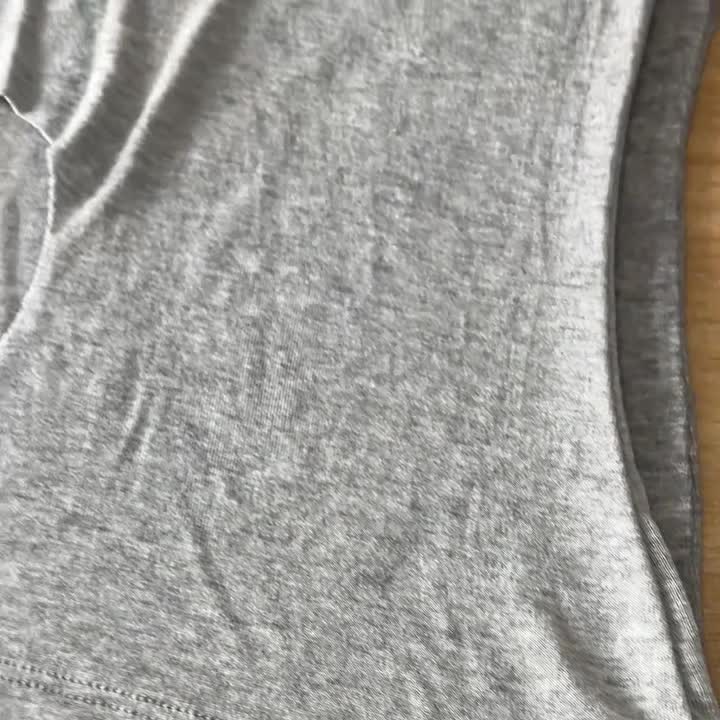
The production fabric should be checked against the agreed composition, weight or GSM where relevant, stretch and recovery direction, finish and color reference. Labels, elastic, zippers, logos and other trims should also match the approved requirements.
For activewear, a visually similar fabric may still behave differently during sewing or wear.
3. Measurements, Tolerances and Size Plan
“Same as sample” is not enough for a multi-size order. Buyers should confirm the final points of measurement, grading, tolerances and quantity breakdown by size and color.
A shared tolerance standard helps production and QC make the same decision when a measurement is close to the limit.
4. Critical Construction Details
Identify details that cannot be interpreted differently: seam type, waistband construction, pocket placement, logo position, stitch requirements or any special operation.
These points should be visible in the production reference, not dependent on one person remembering a conversation.
5. First-Piece Approval Before Repetition
The first garment or first small production output should be checked against the approved reference before the line repeats the operation at scale.
The purpose is not to promise that no defect will occur. It is to catch a different interpretation while the affected quantity is still small.
6. Inline Feedback and Stop Rules
Buyers should know where checks occur during production, who records a deviation and what happens when the result moves outside the agreed standard.
Independent inspection organizations also separate pre-production, inline or during-production, and before-delivery inspection stages. SGS describes production-plan monitoring that includes specifications, sample review, pre-production briefings and in-process controls, while Intertek outlines pre-production, during-production, inline and before-delivery apparel inspections.
The practical lesson is simple: final inspection cannot replace decisions that should have been aligned before and during production.
What the HF Factory Video Shows
The attached HF Garments video shows our team gathered on the factory floor before moving through active production lines. Its central message is whether each piece can be produced consistently, not whether one sample can be made once.
The video does not prove that every production variable has disappeared. It provides real evidence of the people and production environment behind the work.
For buyers, that human alignment matters because stable bulk production is not created by equipment alone. The approved reference has to be understood by the people who prepare, sew, inspect and respond when something changes.
A Short Buyer Checklist for Your Next Activewear Order
Before authorizing bulk sewing, ask your manufacturer to confirm:
- final approved sample and tech pack version;
- production fabric, color and trim references;
- measurement tolerances and size breakdown;
- critical construction and branding details;
- first-piece approval owner;
- inline inspection points and deviation response;
- quantity, target market and required production timeline.
You do not need a longer factory presentation. You need evidence that the same production decision can be repeated by the full team.
Review Your Bulk Production Plan
HF Garments supports OEM, private label and stable bulk activewear production for brands, retailers and distributors.
Send your product type, tech pack or reference sample, estimated quantity, target market and required timeline. We will first review whether the project information is ready for sample-to-bulk planning.
Ask a Production Question on WhatsApp
Related Activewear Production Guides
- Leggings Manufacturer Quality Control: Sample-to-Bulk Handover
- How HF Scaled an 86,000-Piece Rhinestone Leggings Order
- Bulk Leggings Manufacturer Pre-Sewing Checks
- Custom Clothing Manufacturing for Brands and Bulk Production
Frequently Asked Questions
What should buyers confirm before bulk activewear production starts?
Confirm the approved sample and tech pack version, production materials, measurements and tolerances, critical construction details, first-piece approval and inline inspection points.
Why can an approved sample still differ from bulk production?
Bulk production involves more people, repeated operations, multiple sizes and production materials. A detail that is not shared as one controlled reference can be interpreted differently at scale.
What is first-piece approval?
It is a check of the first garment or small initial output against the approved reference before the same operation is repeated across the bulk order.
When should quality control happen?
Quality decisions should begin before production, continue through inline checks and finish with pre-shipment verification. Final inspection alone cannot replace earlier controls.