

A sample can look right.
The harder manufacturing question begins when the same standard has to guide a much larger run of garments. More pieces move through more operations, and more people need to work from the same approved information.
For an activewear brand, the move from sample to bulk production is therefore a transfer of decisions. Measurements, fabric, construction, colours, size grading, logos and packing requirements need to become a production reference that the relevant teams can follow.
An organised workflow supports that transfer. It does not replace a clear specification or order-specific checks.
Why Sample Approval Is Only the Beginning
An approved sample gives the brand and manufacturer a shared physical reference. It shows the intended shape, construction, material and appearance at that stage of development.
However, one approved garment does not automatically communicate every detail needed across a bulk order. The final measurements, fabric specification, construction instructions, colour references, size grading, print or logo placement and packaging requirements still need to match the approved version.
This matters because a late change can affect more than one production step. A revised pocket position may change a panel or measurement reference. A different logo size may affect placement instructions and packing presentation. If the update does not reach the bulk production reference, the sample and production team can be working from different versions.
Brands that are still defining these details can use HF Garments’ product development and production review process to identify what should be confirmed before bulk planning.
What Changes When Production Moves to Bulk
Bulk production brings more pieces, more operations and more handoffs than a single sample. Each handoff creates a point where incomplete or outdated information can create variation.
Before production advances, the useful buyer questions are concrete:
- Which sample and tech-pack version are approved?
- Are the fabric, colours and size grading confirmed?
- Are construction, printing and logo placements clear?
- What packing presentation and labels are required?
- What quantity and target delivery schedule are being planned?
These questions create a common reference. They also help the brand and manufacturer isolate an open decision before it becomes a repeated production issue.
Why an Organised Production Workflow Matters
A hanging production system moves garment pieces between production stages on hangers. It can help the production team organise that movement and see where work is progressing.
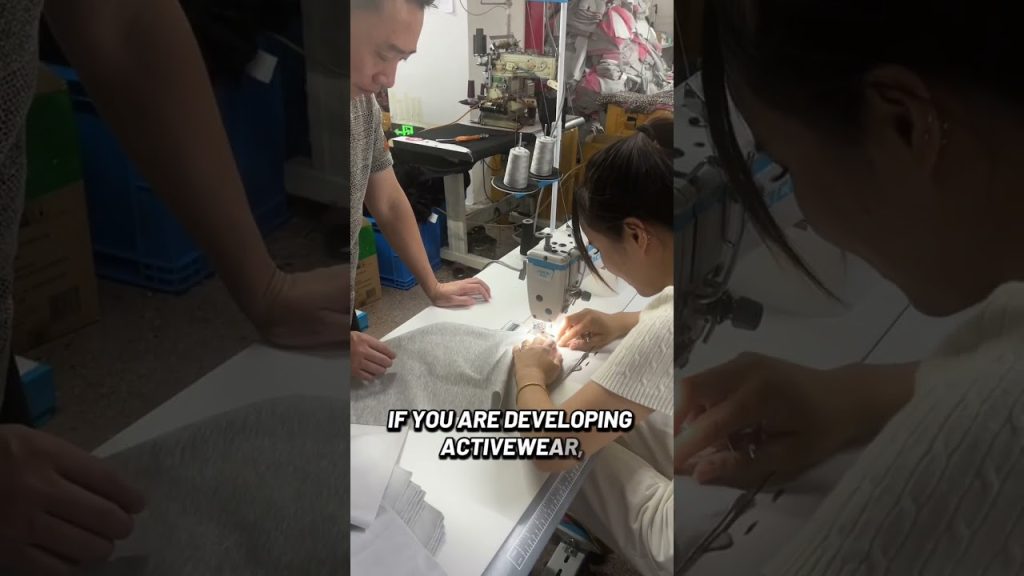
HF Garments’ first-party footage below shows part of its bulk apparel workflow, including the hanging system and later finishing and packing preparation. The video demonstrates the visible production stages. It does not independently prove a specific quality level, production speed or delivery result.
Watch the actual production workflow inside HF Garments:
For another buyer-focused view of the later stages, see the factory guide to bulk inspection, finishing and carton checks.
Bulk Production Does Not End at Sewing
Sewing is one stage in a larger manufacturing process. A finished order also needs the relevant inspection, garment finishing, packing and shipment preparation.
Packing requirements should be agreed before this stage. Polybag type, labels, folding method, size or colour identification and carton instructions can affect how the order is prepared for delivery. If a brand has retailer-specific requirements, these need to be shared as order information rather than assumed from a previous style.
This is why buyers need to assess production and delivery readiness together. The value is not simply that garments move through a factory. It is that the approved product information remains understandable as the order moves from one stage to the next.
What Buyers Should Confirm Before Bulk Production
Use this checklist before approving the move from sample development to bulk activewear production:
- the approved sample and its version;
- measurements and tolerances, where specified;
- fabric specification and relevant handling requirements;
- construction details;
- colour references;
- size range and grading;
- printing, logo and placement requirements;
- packaging and labelling instructions;
- estimated quantity;
- target delivery schedule.
Not every style needs the same documentation. The decision that matters is whether both sides can identify what is confirmed, what is still open and which reference controls the next production step.
Brands comparing product categories can review HF Garments’ activewear manufacturing range and broader apparel capabilities.
From Product Development to Repeatable Production
The goal is not simply to make one attractive sample. It is to turn an approved product into a production reference that can be followed through cutting, sewing, finishing and packing.
HF Garments supports activewear product development and bulk manufacturing. The useful starting point is the information already available: a tech pack, reference image, approved sample, estimated quantity and target delivery date. The team can then identify which decisions still need confirmation before the next production stage.
Frequently Asked Questions
What happens after an activewear sample is approved?
The approved sample becomes a product reference for production planning. The buyer and manufacturer should confirm that measurements, fabric, construction, colours, size grading, branding and packaging information match the approved version. They should also align on estimated quantity and target delivery schedule. Open decisions should be recorded before bulk work advances so that the relevant teams are not relying on different versions or assumptions.
How does an activewear manufacturer move from sample to bulk production?
The transition begins by pairing the approved sample with the information needed to repeat it across the order. The manufacturer plans the relevant production stages and communicates the current measurements, materials, construction and presentation requirements to the teams involved. An organised workflow can help coordinate garment movement, but order-specific references and checks still determine what each stage should follow.
Why can bulk garments look different from approved samples?
Differences can appear when the bulk team is not using the same final information as the approved sample. Measurements, panel shapes, fabrics, colours, grading or logo placement may have changed during development. Bulk work also involves more pieces and handoffs, so an unclear instruction can be repeated. Buyers should identify the approved version and make sure later changes are reflected in the production reference.
What should brands confirm before bulk production?
Confirm the approved sample, current measurements, fabric specification, construction details, colours, size grading, printing or logo requirements and packaging instructions. Add the estimated quantity and target delivery schedule so the manufacturer can plan the project in context. If a detail is still undecided, identify it as an open item rather than allowing an assumption to become a production instruction.
How can production workflow affect bulk order consistency?
An organised workflow helps teams coordinate garment pieces as they move between production stages and gives clearer visibility into progress. This can reduce confusion about where work is located and what comes next. Consistency still depends on the approved product information and the checks applied to the order. A hanging system is therefore a coordination tool, not a stand-alone guarantee of quality, speed or delivery.
Preparing an Activewear Collection or Bulk Order?
Send HF Garments your product requirements, tech pack, estimated quantity and target delivery date. The team can review the project and discuss the next production step.
- Request a production review
- WhatsApp: +86 19057430233
- Email: hf@haofenggarments.com